

Guest Post by Cait Abernethy, Director of Marketing at UpMetrics
As your nonprofit’s technological needs transform from website maintenance to automated workflows and complex data tracking, integrating new technology is to be expected. However, despite the many advantages of embracing digital transformation, nonprofits struggle to upgrade their technology for several reasons. Primarily, the effort and cost required to implement new technology can make your organization’s leadership hesitant to get on board.
In an effort to responsibly steward your nonprofit’s limited resources, the board may respond cautiously when you present new tools. It’s up to you to make a case to your board to invest in new technology.
Let’s review some strategies you can use to introduce new technology to your board and ensure their buy-in.
Define the Need for Change
The first thing your board will want to know about new technology is why you’re implementing it. Highlight human-centered problems at the start of your presentation to the board, such as:
- Manual data entry: Technology can automate data collection and entry, freeing up valuable staff time and reducing errors to ensure data integrity and faster operations.
- Information silos: Implementing a unified system breaks down information silos, allowing teams to collaborate more effectively, gain a holistic view of operations, and make informed, data-driven decisions based on centralized data.
- Reporting delays: The right technology can streamline impact reporting, financial statement preparation, and other tasks needed to provide stakeholders with updated information.
To further contextualize the challenges you’ve identified, calculate the “cost of doing nothing.” For example, if your current system makes it impossible to segment your donor pipeline, you may be missing potential major gifts. When you frame new technology as a solution to specific bottlenecks, you make the case for change undeniable.
Demonstrate the Potential Impact and ROI
As you move from calling out a challenge to presenting a solution, think in terms of return on investment (ROI). You’ll need to explain to board members why an investment in this new technology is worth it by answering the question, “What results can we expect from this tool?”
To make a tangible connection between your nonprofit’s technology and the results you hope to achieve through using it, consider the software’s function. For example, you might anticipate benefits to donor engagement rates or department efficiency when you apply insights from software with analytical capabilities. According to UpMetrics, data analytics provides the following benefits for nonprofits:
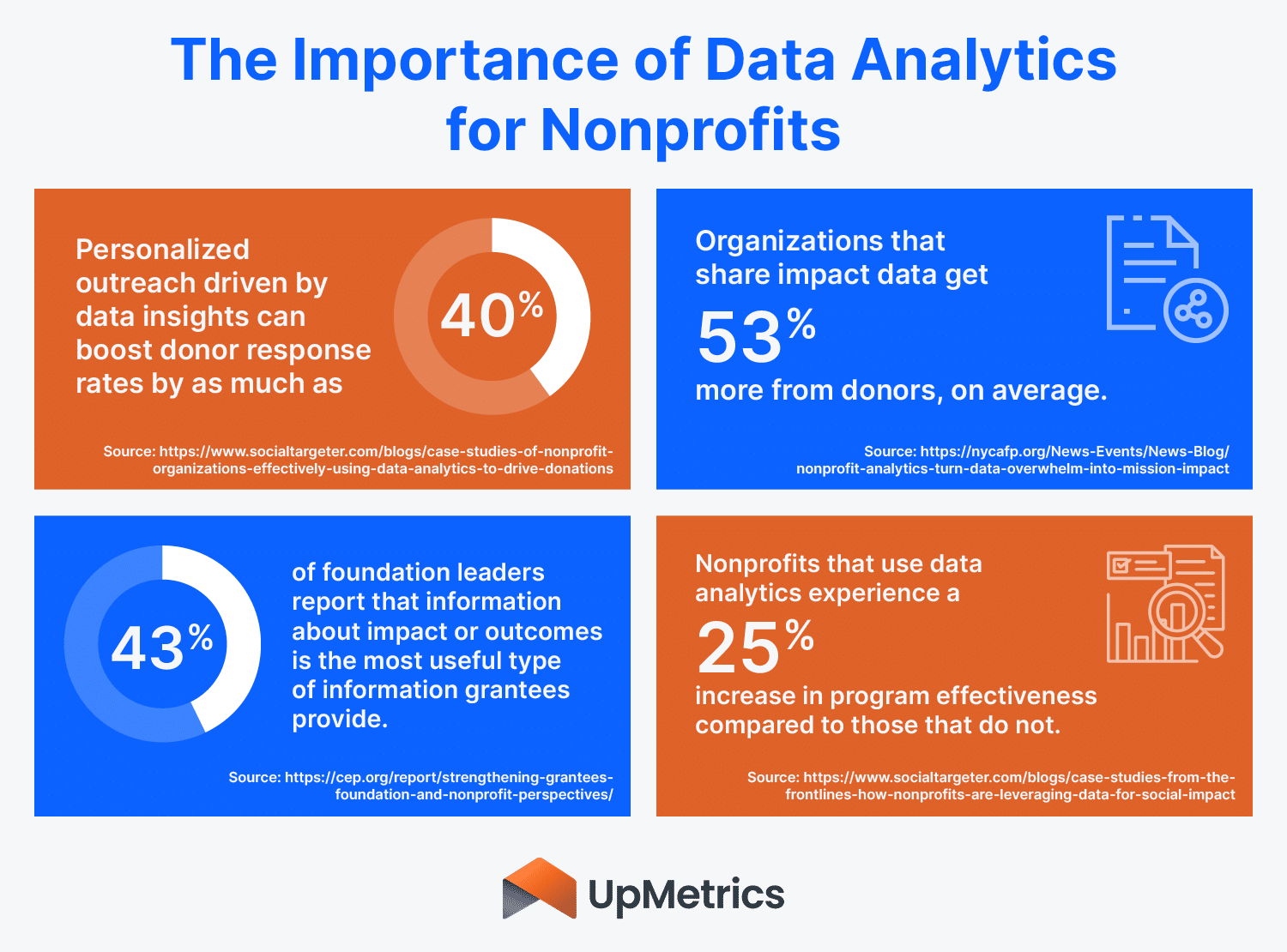
- Personalized outreach can boost donor response rates by up to 40%. To personalize donor communications, nonprofits need marketing software that leverages donor data and automates repetitive outreach tasks.
- On average, organizations receive 53% more from donors when they demonstrate transparency. Impact reporting tools are a useful tool for gathering, analyzing, and presenting impact data in an engaging way that prompts donor action.
- Information about impact or outcomes is the most useful type of information provided by grantees, according to 43% of foundation leaders. If your nonprofit wants true collaboration with funders, having the right technology to capture impact data is a critical first step.
- Nonprofits that use analytics for decision-making report a 25% increase in program effectiveness. Organized donor databases equip your organization to make informed decisions, which ultimately lead to successful programs.
While it’s important to address the upfront cost of the technology you’re presenting, highlighting the potential ROI helps board members see past the initial implementation and understand the true value of the investment.
Showcase Your Research
There are two pitfalls to avoid when presenting new technology to your board. You don’t want to overwhelm the board with a long list of potential software options. At the same time, you shouldn’t expect them to blindly accept a tool and trust that you’ve made the right decision.
A balanced approach involves conducting thorough research and presenting the best possible option, along with all of the information you considered when selecting it. For example, your research should consider:
- Price: What is the total cost of ownership for this software? Factor in every expense, including subscription fees, implementation costs, and training.
- Functionality: How do the features this tool offers solve the organization’s operational challenges and inefficiencies? What makes these features more effective than features offered by other software?
- Modern upgrades: Does the software offer capabilities like AI-powered workflows and automation? Is the provider committed to keeping the tool up to date with the latest and greatest features?
- Customer service: Is the software provider available for customer support? Consider any resources they offer for ongoing support, like free training or online documentation.
- Scalability: Can the technology handle your nonprofit’s anticipated growth? Think in terms of your broader social impact: how will this software get you closer to your future goals, even as they change and evolve?
Compile information about a few backup solutions for the initial presentation, in case board members want to see more options. This way, you’ll be prepared to introduce them to the best software solutions on the market, while still pointing to your top choice as the best fit.
Proactively Address Risks
You’ll likely have many questions from the board after presenting new technology, and you should be ready (and willing) to answer them all. But before the questioning begins, address as many risks as possible in your presentation.
Some common concerns with new technology adoption include:
- Staff adoption: Outline a clear implementation timeline and training plan to ensure the new tools become part of your organizational DNA.
- Data hygiene: According to NPOInfo, your approach should include standardized formats, regular data backups, and data appends.
- Security: Detail the measures taken to protect sensitive data, such as encryption. Explain how the technology complies with relevant industry standards, like FERPA for organizations in the education sector or HIPAA for healthcare organizations.
Proactively answering these questions can further show the board that you’re proposing a strategic investment in long-term sustainability.
Introducing new technology to your board requires a balance of empathy for their caution and passion for your mission. When you center the conversation on impact rather than features, you position technology as a vital partner in your work. By following these strategies, you can secure the support needed to modernize your operations and drive more meaningful change for the communities you serve.

About the Author
Cait Abernethy is the Director of Marketing at UpMetrics, a leading impact measurement and management software company that’s revolutionizing the way mission-driven organizations harness data to drive positive social outcomes. With a wealth of experience across leading technology organizations, Cait is responsible for all aspects of marketing for the company and is passionate about helping the world’s leading foundations, nonprofits and impact investors to drive accelerated social and environmental change.